Chevron’s LNG plants in Australia face strike action.
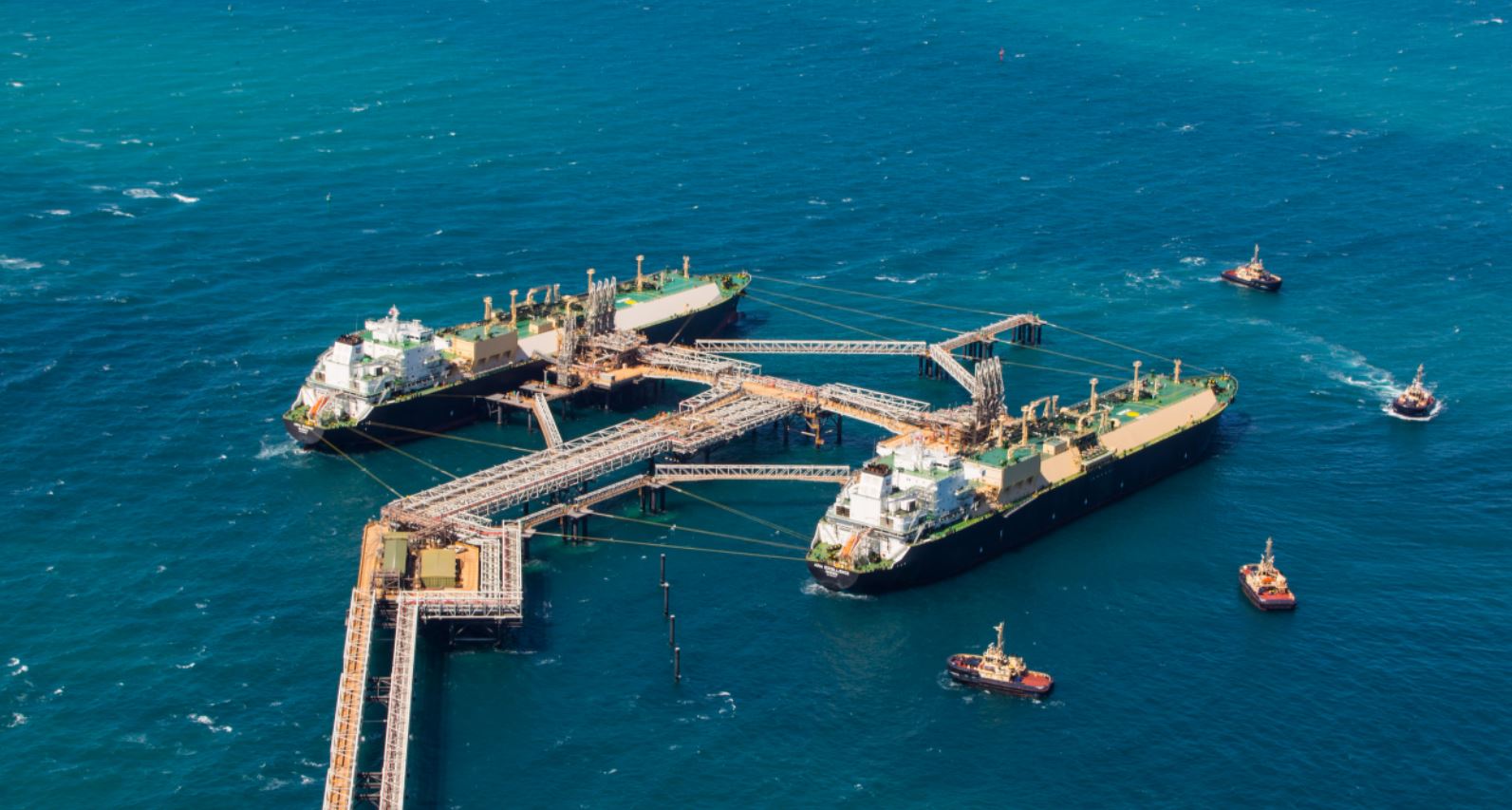
In a significant development with far-reaching implications for the global liquefied natural gas (LNG) market, a substantial labor dispute has prompted unions to orchestrate work stoppages at two major LNG facilities owned by Chevron in Australia. The contentious situation, marked by ongoing negotiations and escalating tensions, is poised to disrupt production and supply dynamics, potentially impacting global energy markets.
The Offshore Alliance, an amalgamation representing the Australian Workers' Union and the Maritime Union of Australia, has formally communicated their intent to initiate strikes at Chevron's Gorgon and Wheatstone LNG facilities. Following an overwhelmingly affirmative mandate from union members, these work stoppages are scheduled to commence next Thursday, encompassing an array of industrial actions ranging from work bans to complete work stoppages. With a combined workforce of around 500 employees, these facilities constitute crucial contributors to the LNG sector.
The significance of the potential disruptions reverberates beyond Australia's shores. Should these strikes effectively curtail production at both sites for an extended period, as much as 7% of the global LNG supply could be compromised. Daniel Toleman, a respected researcher specializing in global LNG at energy consultancy Wood Mackenzie, underscores the possible ramifications, highlighting the necessity for Chevron and Asian buyers to seek alternative sources to meet their energy commitments.
The specter of these strikes has induced fluctuations in energy markets, particularly evident in the context of European natural gas prices. European nations, grappling with a reduction in pipeline gas from Russia due to geopolitical factors, have turned to global LNG supplies to meet their energy demands. This shift has generated heightened market sensitivity to potential disruptions. The planned strikes at Chevron and Woodside, another prominent Australian energy provider, initially incited concerns among traders, spurring European natural gas prices to surge.
However, a semblance of relief emerged as union workers and Woodside reached a preliminary agreement, culminating in the suspension of planned strikes at Woodside facilities. This development underscores the fluidity of labor negotiations and their capacity to shape market dynamics.
Amidst the intricate interplay of labor disputes, energy demands, and global supply chains, the ongoing situation at Chevron's LNG facilities underscores the intricate nature of the energy sector's geopolitics. The uncertainty surrounding these strikes highlights the critical importance of securing reliable sources of energy and the complex calculations involved in managing global energy markets, especially as nations endeavor to meet their energy needs while navigating intricate diplomatic and economic challenges.
Post a Comment