Islamabad High Court suspends Imran Khan's three-year sentence.
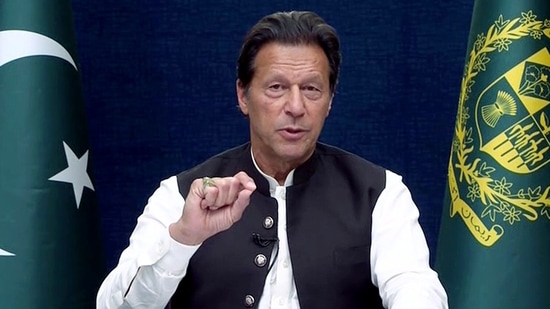
The Islamabad High Court's recent decision to suspend the three-year sentence of former Prime Minister Imran Khan in the Toshakhana corruption case has created significant repercussions in the political and legal landscape of Pakistan, amplifying the intrigue surrounding the upcoming general elections.
The Division Bench of the Islamabad High Court, led by Chief Justice Aamir Farooq and Justice Tariq Mehmood Jahangiri, announced the verdict after deliberations and voting on August 28. The verdict came as a relief to Khan, a former cricketer-turned-politician, who had been sentenced for unlawfully selling state gifts acquired during his tenure as Prime Minister. The sentence had also barred him from participating in future elections.
The suspended sentence implies that Khan will not be released from custody immediately, as he is also under detention in a separate case related to the Official Secrets Act. Despite the suspension, Khan's legal battles continue as he faces another trial.
The case, launched in 2022, alleged that Khan deliberately concealed the details of gifts received from foreign officials during his time as Prime Minister from 2018 to 2022. The verdict rendered by the Additional District and Session Judge, Islamabad, on August 5, which had barred Khan from electoral participation, had been contested by Khan's legal team, prompting the legal proceedings that eventually led to the IHC's suspension of the sentence.
The impending general elections in Pakistan add an additional layer of complexity to this situation. The Islamabad High Court's decision is expected to have ramifications for the political landscape, as Khan's party, Pakistan Tehreek-e-Insaf (PTI), is a significant player in the political arena. The potential return of Khan as an active political figure could influence the dynamics of the upcoming elections and shape the future direction of Pakistani politics.
Amidst these legal developments, the Pakistani judicial system's handling of Khan's case has drawn the attention and scrutiny of both local and international observers. Questions regarding the transparency, fairness, and independence of the judiciary have arisen, especially in light of the timing of the verdict and its potential impact on the broader political scenario.
While the suspension of Khan's sentence offers him a legal respite, the broader implications on the political landscape and the intricate interplay between law, politics, and justice continue to cast a shadow of uncertainty over Pakistan's future trajectory. The ongoing legal battles, upcoming general elections, and the complexities of navigating political dynamics underscore the intricacies of governance and the challenges of balancing legal processes with political aspirations.
Post a Comment